Warehouse Safety Consulting: Reduce Hazards and Improve Compliance
Warehouse safety consulting gives distribution centers, 3PLs, and manufacturers an outside lens on risk. By pairing expert audits with operator feedback, you uncover hazards that hide in routine tasks. The goal is simple: fewer injuries, fewer surprises, and a warehouse that can scale without slowing. You also gain a roadmap to show insurers and customers that safety and reliability are built into your operations. That confidence supports renewals, new contracts, and a calmer floor for every shift. It also reassures employees that leadership invests in their well-being, not just output.
Why warehouse safety consulting matters for modern facilities
E-commerce growth, tighter SLAs, and labor shortages push teams to move faster with less margin for error. Warehouse safety consulting helps you balance throughput with OSHA compliance by identifying systemic issues before they become injuries. Consultants benchmark your performance against peers and prioritize changes that cut the highest risk first. That outside perspective keeps leaders honest about blind spots, even when production is under pressure. It also protects brand reputation when customers audit your facilities for capability and sustainability. Clear documentation makes it easier to onboard new managers without losing momentum. A partner can also translate OSHA updates into simple playbooks so supervisors stay current. Combining internal expertise with an external view keeps the program grounded and practical.
Baseline assessment and risk profiling
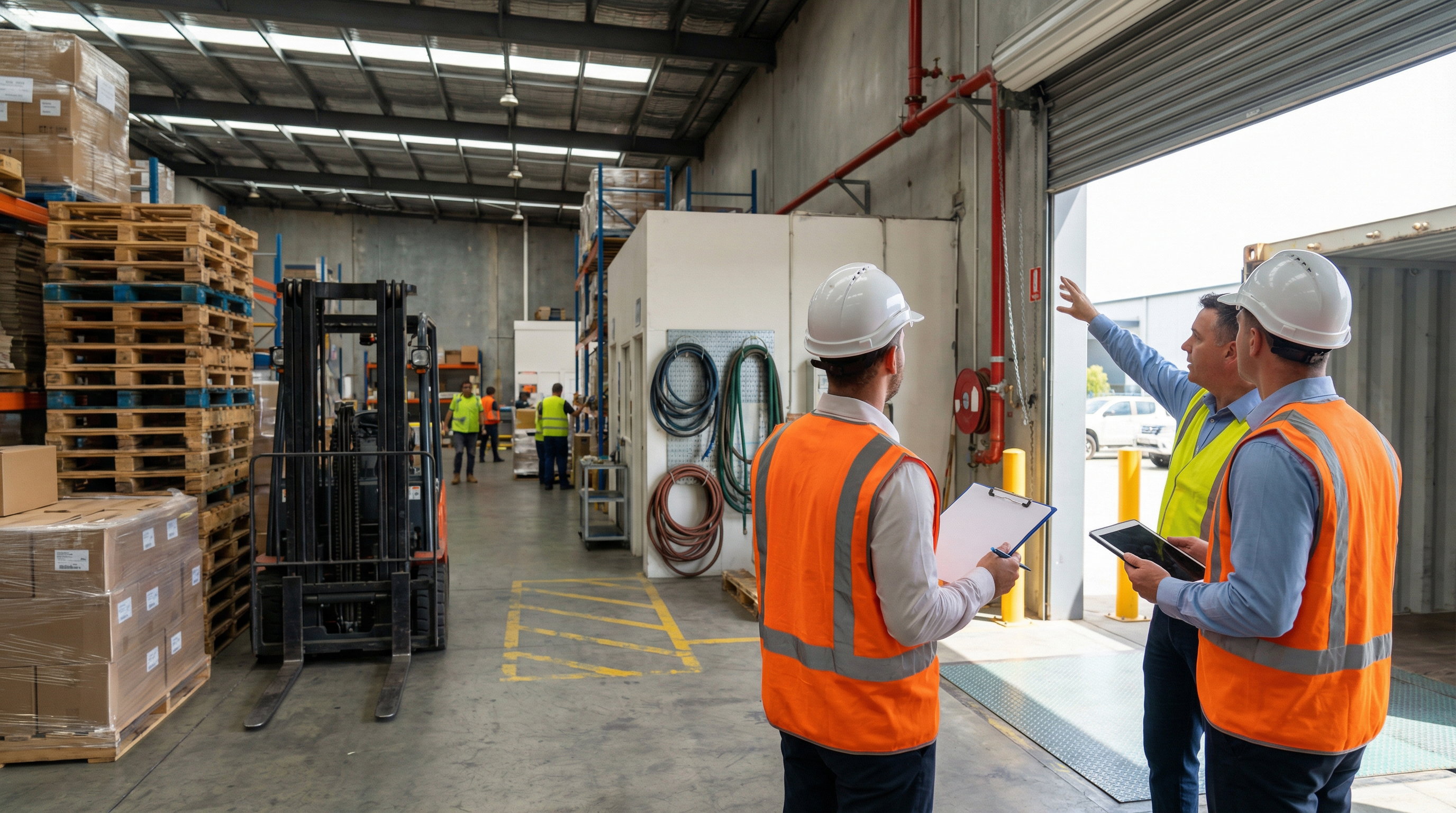
Start with a structured assessment that covers racking stability, pedestrian and forklift separation, conveyor guarding, loading dock controls, and housekeeping. Review incident logs, near-miss reports, and maintenance tickets to pinpoint patterns. Map travel paths to reduce congestion at pick modules and staging lanes. Layer in a job hazard analysis for special operations like battery charging, flammable storage, or high-bay order picking. Interview supervisors and associates to understand where they improvise, because improvisation often signals gaps in procedure. Validate findings with time-and-motion studies so you see how people actually move, not just how the SOP reads. Include PPE checks, signage clarity, and contractor controls, since third-party crews often introduce hidden exposure. The output should be a heat map that shows severity, likelihood, and required controls, so the team can act in the right order. Share the results openly so crews know what will change and why. Capture photos during audits to speed approvals for improvements.
Engineering controls and layout optimization
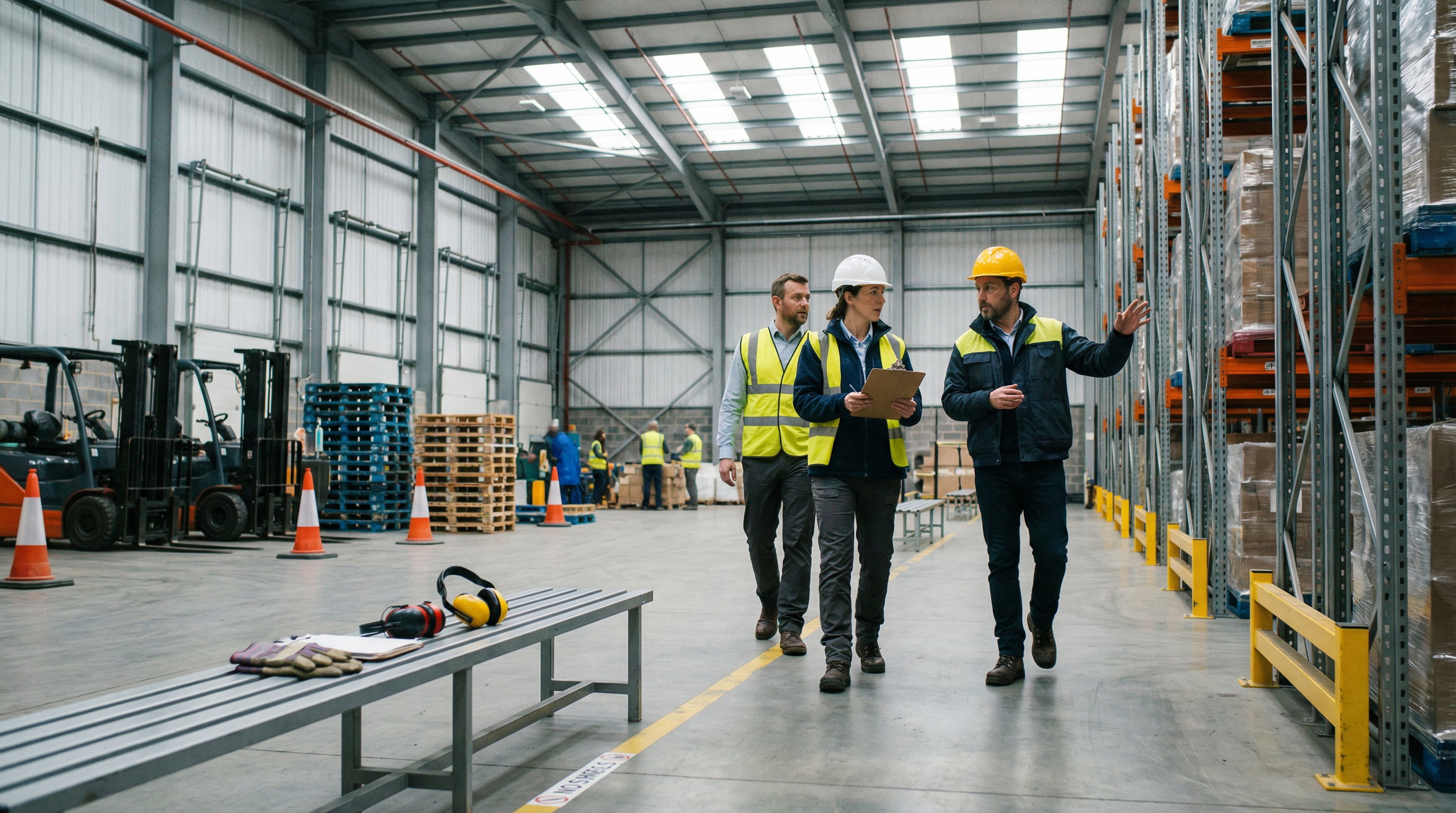
Consultants look for design fixes that remove risk without slowing flow. This includes better guardrails, bollards, and rack netting; engineered fall protection at mezzanines; and clearly marked pedestrian aisles. Re-slot fast movers to reduce cross-traffic, and separate inbound from outbound lanes where feasible. Add visual management at intersections with mirrors and floor tape, and verify rack inspections meet RMI guidance. Use barrier systems near battery rooms and stretch-wrap areas to cut struck-by risks. Simplify signage so operators can read it at speed, and standardize color coding across sites. Add anti-slip coatings at docks and levelers to reduce slips during rain. Small layout changes compound into smoother traffic, lower impacts, and fewer product drops. Consultants also check that maintenance schedules and spare parts inventory support safe uptime.
Training, operations, and culture
Even the best controls fail without consistent behaviors. Warehouse safety consulting includes targeted training for powered industrial trucks, lockout/tagout on conveyors, and ergonomics for case picking. Rotate operators through microlearning and hands-on refreshers to reinforce critical steps. Use safety inspection support to verify supervisors coach to the same standard. Add daily start-of-shift huddles, observation cards, and positive recognition so people feel heard. When teams see leadership respond to reports within 24 hours, safety becomes part of the work, not a separate task. Tie completion of safety consulting services recommendations to supervisor scorecards so expectations stay aligned across shifts. Offer cross-training so crews can flex during absences without compromising safe practices. Bring in safety management system dashboards during huddles to show progress in real time. Run incident avoidance training drills for dock strikes and rack collapses so teams know how to respond.
Technology, data, and compliance audits
Digital tools make safety data timely. Use mobile apps to capture inspections, near misses, and corrective actions at the rack or dock. Dashboards reveal hotspots by shift, zone, or equipment type so you can schedule interventions without hurting throughput. Integrate telematics from forklifts to monitor speed, impacts, and seatbelt use. Plan internal audits monthly and external regulatory compliance advisory twice a year to validate controls. Close findings with clear owners and timelines, and share trend reports with finance to show avoided downtime. When regulators or customers ask for evidence, you can produce clean records in minutes. Add QR codes on equipment for instant SOP access and inspection history. That transparency builds trust and keeps OSHA compliance predictable. It also simplifies onboarding for temporary staff during peak season. Connect warehouse data to corporate EHS dashboards so leadership sees progress across sites.
Implementation plan and ROI
A good consulting engagement leaves you with a phased plan: quick wins in 30 days, structural fixes in 90, and culture embeds over the next two quarters. Tie each action to a KPI, such as reduced near misses, lower product damage, or faster dock turns after redesign. Use safety consulting services to coach supervisors during rollout and to keep documentation audit-ready. Quantify ROI by comparing claim costs, overtime related to injuries, and insurance premiums before and after changes. Clear financial results make it easier to fund the next round of improvements. Keep communicating progress to frontline teams so they see their input turned into safer workflows. That loop keeps momentum alive long after the initial consulting project ends. Share successes with customers to reinforce trust and differentiate your service. Hold quarterly governance reviews so budgets, hiring, and equipment plans stay aligned with risk priorities. Invite finance and operations to those reviews so investments stay linked to throughput goals.
Conclusion
Warehouse safety consulting works when you pair outside expertise with disciplined execution. By addressing layout, equipment, training, and data together, you reduce hazards while protecting throughput. Guardian Owl can guide assessments, lead OSHA compliance tune-ups, and coach supervisors so safer work becomes the fastest way to operate. The outcome is fewer injuries, steadier uptime, and customers who trust your ability to deliver. Consistency across shifts keeps morale high and turnover low, which strengthens productivity. Investing now also shields you from fines and costly downtime in peak season. Keeping injury rates visible to leadership sustains the commitment. Documented wins make it easier to justify future automation investments. It keeps claims predictable and protects customer confidence.
FAQ
How often should we run warehouse safety audits?
Conduct internal audits monthly and external reviews twice a year, or after major layout changes. Frequent checks keep small issues from becoming costly claims. Follow up with quick corrective actions so momentum is never lost. Document results in your safety management system and share summaries with supervisors weekly.
What KPIs prove our warehouse safety consulting is effective?
Track near misses, forklift impacts, seatbelt compliance, corrective actions closed on time, and product damage. Pair them with lagging metrics like recordable injuries and lost-time cases. Review trends by shift and job role to target coaching.
How do we keep training consistent across shifts and temps?
Standardize modules, use short refreshers each week, and assign experienced mentors during the first two weeks. Rotate auditors so every shift receives the same coaching. Provide quick reference cards at each station for critical tasks.